
Best Dog Food 2026: What Actually Matters When You’re Choosing
This guide covers what actually matters when you’re standing in front of a wall of dog food bags: AAFCO nutritional standards, life-stage matching, and how to read an ingredient list without falling for marketing language. What it won’t do is tell you what to feed a dog with a specific health condition, allergy, or medication. That’s a conversation for your vet, who knows your dog’s actual bloodwork and history, not a buying guide. If your dog has an existing health issue, is on medication, or has a known food allergy, talk to your vet before switching foods, not after reading a review site.
We’re covering 10 foods across puppy, adult, and senior life stages, in dry and wet formats, chosen for real AAFCO compliance and ingredient transparency rather than marketing claims. A couple of these are grain-free, and we’re going to be straightforward about the current understanding of that topic rather than pretending it’s settled either way.

Quick Comparison
| Model | Format | Life Stage | AAFCO Statement | Best For |
|---|---|---|---|---|
| Purina Pro Plan Puppy Chicken & Rice | Dry | Puppy (all sizes incl. large breed) | Growth, feeding-trial substantiated | Best overall puppy food |
| Royal Canin Small Puppy | Dry | Puppy, small breed (9-22 lb adult) | Growth | Best for small breed puppies |
| Hill’s Science Diet Adult 7+ | Dry | Senior | Adult maintenance | Best senior formula |
| Blue Buffalo Life Protection Adult | Dry | Adult | Adult maintenance | Best mid-range adult formula |
| Purina Pro Plan Complete Essentials | Wet | Adult | Adult maintenance | Best wet food |
| Hill’s Science Diet Adult 7+ Small Bites | Dry | Senior, small kibble | Adult maintenance | Best senior formula for small dogs |
| Purina Pro Plan Senior with Probiotics | Dry | Senior | Adult maintenance | Best senior formula with added support |
| Orijen Original | Dry | All life stages | All life stages, grain-free | Best premium high-protein |
| Taste of the Wild High Prairie Puppy | Dry | Puppy | Growth, grain-free | Best grain-free puppy option |
| Hill’s Science Diet Adult 1-6 Small Bites | Dry | Adult, small kibble | Adult maintenance | Best everyday formula for small dogs |
1. Purina Pro Plan Puppy Chicken & Rice – Best Overall Puppy Food

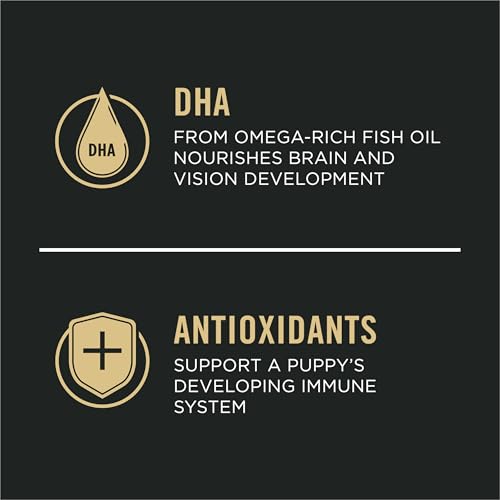
This formula is feeding-trial substantiated under AAFCO procedures, meaning it’s been tested on actual dogs to confirm the nutrition works as intended, not just calculated on paper. It’s formulated for growth including large-breed puppies (dogs expected to reach 70 lbs or more as adults), which is a wider safety margin than formulas that only cover small and medium breeds. Chicken is the first ingredient, and it includes DHA from fish oil for brain and vision development during the growth period.
Not the right fit if: you have a small-breed puppy specifically. The Royal Canin Small Puppy formula below is tailored to small-breed nutritional needs and kibble size in a way a general puppy formula isn’t.
Pros: Feeding-trial substantiated, covers growth for large breeds too, chicken as the first ingredient, DHA for development.
Cons: Not breed-size specific. Puppies transitioning from a breeder’s food may need a gradual switch to avoid digestive upset.
Buy it on Amazon today with FREE returns
2. Royal Canin Small Puppy – Best for Small Breed Puppies

Built specifically for puppies 2 to 10 months old with an expected adult weight of 9 to 22 lbs, this formula accounts for the fact that small breeds have different growth timelines and energy needs than large breeds. The kibble shape and size are also adapted for small jaws, which matters more than it sounds like for a puppy still learning to eat solid food comfortably.
Not the right fit if: your puppy’s expected adult weight is outside the 9-22 lb range this formula targets. Check Royal Canin’s other size-specific puppy lines instead of using this one for a larger breed.
Pros: Breed-size-specific formulation and kibble shape, supports digestive health with prebiotics, AAFCO growth formula.
Cons: Only appropriate for the specific weight range it’s formulated for. Costs more than general-purpose puppy formulas.
Buy it on Amazon today with FREE returns
3. Hill’s Science Diet Adult 7+ – Best Senior Formula

Formulated for dogs 7 years and older, this uses an AAFCO adult maintenance statement (not a growth formula) with a blend aimed at easy digestion and supporting activity level in aging dogs. It includes a prebiotic fiber and antioxidant blend along with balanced minerals that Hill’s markets toward heart, kidney, and bladder support, worth noting these are general wellness-support formulation claims, not treatments for any diagnosed condition. If your senior dog has a specific health condition, your vet’s dietary recommendation should take priority over a general senior formula.

Not the right fit if: your dog is under 7 or has a vet-diagnosed condition requiring a prescription or specialized diet – talk to your vet in either case rather than defaulting to a general senior formula.
Pros: Widely vet-recommended brand, formulated specifically for the digestive and activity changes that come with aging, easy-to-digest ingredient blend.
Cons: Not a substitute for a prescription diet if your vet has recommended one. Standard kibble size may not suit very small dogs (see the Small Bites version below).
Buy it on Amazon today with FREE returns
4. Blue Buffalo Life Protection Formula Adult – Best Mid-Range Adult Formula
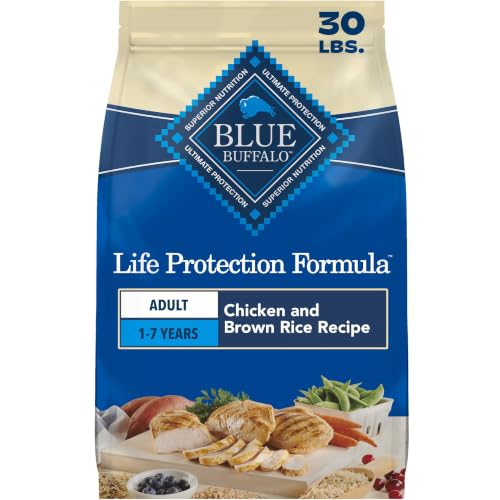
Real deboned chicken as the first ingredient, no corn, wheat, soy, or poultry by-product meals, and an AAFCO adult maintenance statement make this a solid middle-ground option between basic grocery-store kibble and the premium pricing of a brand like Orijen. The LifeSource Bits (a cold-formed blend of vitamins, minerals, and antioxidants) is Blue Buffalo’s differentiator versus a standard kibble mix.
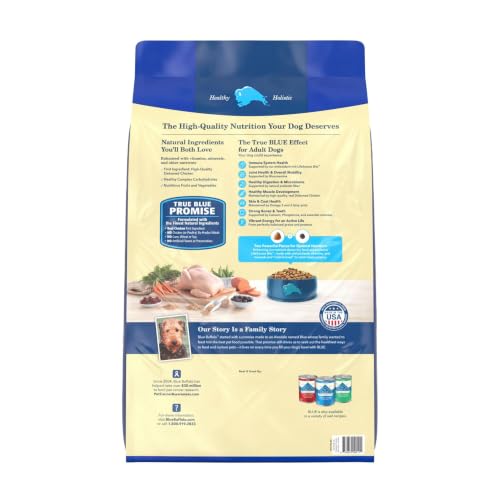
Not the right fit if: your dog has a known grain sensitivity – this formula includes brown rice, barley, and oatmeal, so it’s not a fit if your vet has specifically recommended a grain-free diet for your dog.
Pros: Real chicken first ingredient, no corn/wheat/soy or poultry by-products, antioxidant-rich LifeSource Bits, mid-range price point.
Cons: Not grain-free, which rules it out if that’s a specific dietary need for your dog. Some dogs take a short adjustment period to the LifeSource Bits’ distinct smell.
Buy it on Amazon today with FREE returns
5. Purina Pro Plan Complete Essentials – Best Wet Food
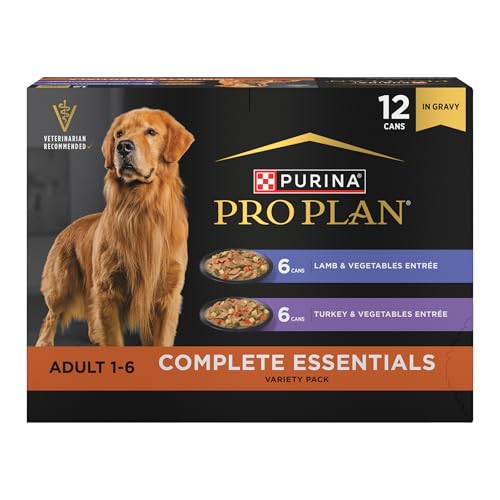
An AAFCO adult-maintenance wet formula with live probiotics included, useful either as a standalone diet or mixed with dry kibble for dogs who need more moisture in their diet or are simply pickier eaters. Wet food also tends to be more palatable for older dogs with reduced appetite or dental discomfort, though again, if a dog’s appetite has genuinely dropped, that’s worth a vet visit rather than assuming a food switch will fix it.
Not the right fit if: you’re looking for a primary diet on a budget – wet food generally costs more per calorie than dry kibble over time.
Pros: AAFCO adult maintenance formula with live probiotics, good option for picky eaters or dogs needing more moisture, can be mixed with dry food.
Cons: More expensive per calorie than dry food long-term. Opened cans need refrigeration and don’t keep as long as dry kibble.
Buy it on Amazon today with FREE returns
6. Hill’s Science Diet Adult 7+ Small Bites – Best Senior Formula for Small Dogs
No products found.Same senior-focused formulation as the standard Hill’s 7+ above, sized down into smaller kibble pieces for dogs who either have smaller mouths or, as dogs age, may develop dental sensitivity that makes larger kibble harder to manage comfortably.
No products found.Not the right fit if: your dog has significant dental pain or difficulty chewing even small kibble – that’s worth a vet or dental check rather than just switching kibble size.
Pros: Same senior-focused formulation as the standard version, smaller kibble size for smaller dogs or aging teeth, widely vet-recommended brand.
Cons: Same price premium as the standard Hill’s 7+ line. Not a substitute for dental care if chewing difficulty is the actual underlying issue.
Buy it on Amazon today with FREE returns
7. Purina Pro Plan Senior with Probiotics – Best Senior Formula with Added Support

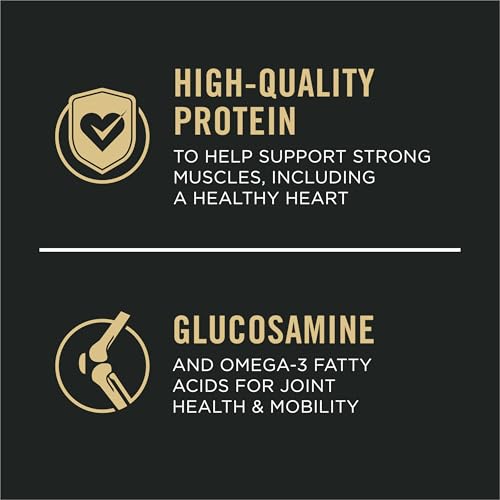
Part of Purina’s Bright Mind senior line, this formula includes MCT (a fatty-acid compound), glucosamine and chondroitin, and DHA/EPA omega fats alongside live probiotics. These are all standard formulation ingredients marketed toward supporting general cognitive and joint health in aging dogs, not treatments for a diagnosed condition. If your dog has been diagnosed with cognitive decline or a joint condition, your vet’s specific treatment plan should guide what you feed, not a bag’s marketing claims.
Not the right fit if: your dog has a vet-diagnosed cognitive or joint condition – this is a general wellness formula, not a prescription or treatment diet.
Pros: MCT, glucosamine, chondroitin, and omega fats included for general senior wellness support, live probiotics, established brand.
Cons: Costs more than a basic senior formula. Not a substitute for veterinary treatment if your dog has a diagnosed condition.
Buy it on Amazon today with FREE returns
8. Orijen Original – Best Premium High-Protein
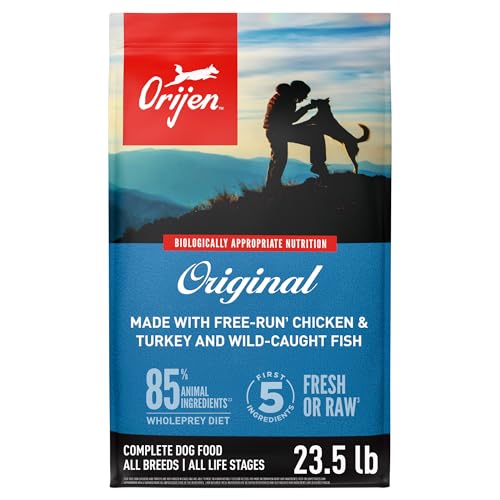
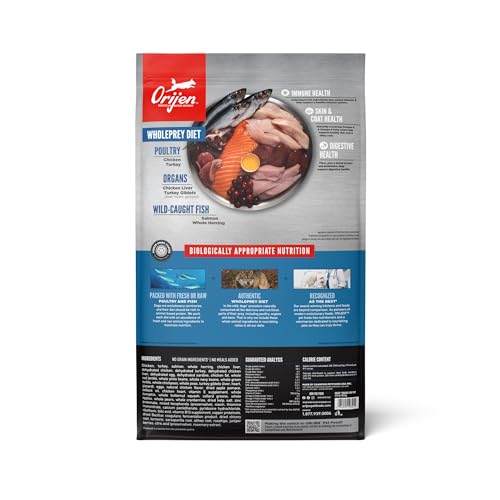
Orijen is made with 85% animal ingredients, including fresh or raw chicken, turkey, and fish, with a genuinely high 38% minimum crude protein. It’s formulated to meet AAFCO standards for all life stages, and the WholePrey concept (including organs and bone, not just muscle meat) is a real point of differentiation from more conventional kibble.
Here’s what needs to be said plainly: Orijen is grain-free, and grain-free diets have been under FDA investigation since 2018 over a potential link to dilated cardiomyopathy (DCM) in dogs. We found a licensed veterinarian’s public comment specifically citing concern about grain-free diets like this one for that reason. At the same time, the ongoing research picture has gotten more complicated since 2018, current thinking points more toward legume-heavy recipes generally (peas, lentils, other pulses used as protein or carb sources) rather than the absence of grain itself being the mechanism. This is genuinely unsettled science, not a solved question either direction. If you’re considering a grain-free food for your dog, talk to your vet first, especially for breeds with any known predisposition to heart conditions.
Not the right fit if: you haven’t discussed grain-free diets with your vet, or your dog’s breed has any known cardiac risk factors. Talk to your vet before choosing this over a grain-inclusive formula.
Pros: Very high animal-ingredient content and protein level, AAFCO all-life-stages formulation, WholePrey ingredient philosophy including organs and bone.
Cons: Grain-free status is tied to an ongoing, unresolved FDA investigation into a potential DCM link. Premium pricing. Talk to your vet before choosing this over a grain-inclusive option.
Buy it on Amazon today with FREE returns
9. Taste of the Wild High Prairie Puppy, Roasted Bison – Best Grain-Free Puppy Option
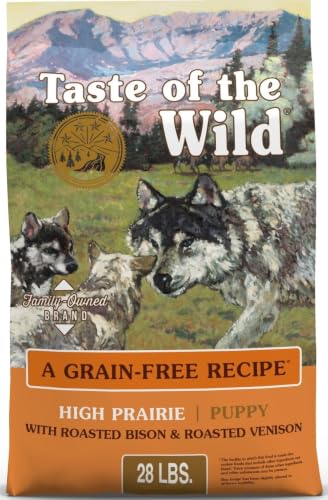
A grain-free puppy growth formula built around bison, venison, and other novel proteins, with sweet potatoes and peas as the carbohydrate source, plus added probiotic strains. The same grain-free/DCM consideration from the Orijen review above applies directly here, and it’s worth taking more seriously for a puppy specifically, since a growing dog’s diet has an even longer runway to matter.
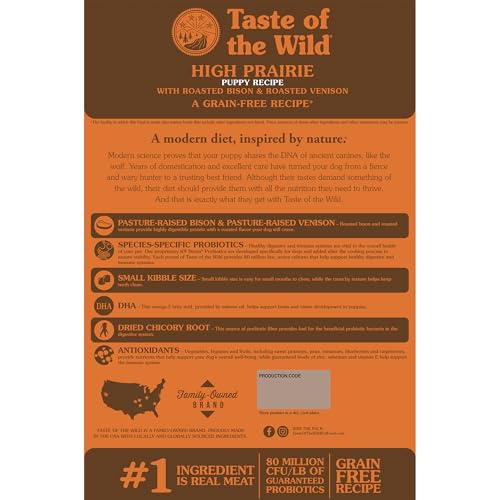
If you’re drawn to this formula for the novel protein sources rather than specifically wanting grain-free, it’s worth asking your vet whether a grain-inclusive novel-protein option might be a better fit for your specific puppy.
Not the right fit if: you haven’t discussed grain-free puppy diets with your vet. This is exactly the conversation to have before, not after, choosing a grain-free growth formula.
Pros: Novel protein sources (bison, venison), grain-free with probiotic strains included, formulated for growth.
Cons: Same unresolved grain-free/DCM research consideration as Orijen above. Talk to your vet before choosing a grain-free formula for a growing puppy specifically.
Buy it on Amazon today with FREE returns
10. Hill’s Science Diet Adult 1-6 Small Bites – Best Everyday Formula for Small Dogs
No products found.The standard adult (not senior) version of Hill’s Science Diet in small-kibble form, for dogs 1 to 6 years old who do better with smaller bites, whether that’s a small breed or just a dog that prefers it. AAFCO adult maintenance formula from a widely vet-recommended brand, without the senior-specific formulation of the 7+ line above.
No products found.Not the right fit if: your dog is 7 or older – switch to the Hill’s 7+ Small Bites formula above instead, which is formulated for the nutritional needs that come with aging.
Pros: Widely vet-recommended brand, small kibble size, straightforward adult maintenance formula without senior-specific pricing.
Cons: Not appropriate once a dog reaches senior age – the formulation is genuinely different for a reason.
Buy it on Amazon today with FREE returns
What “Best” Actually Means Here
Every food on this list carries an AAFCO nutritional adequacy statement, which is the actual regulatory standard for whether a food is “complete and balanced,” not the marketing language on the front of the bag. Look for the statement itself: it will say the food is formulated for “growth” (puppies), “maintenance of adult dogs,” or “all life stages,” and ideally that it’s been substantiated through AAFCO feeding trials rather than formulated to meet the standard on paper alone. A bag with big claims about “holistic” or “super-premium” ingredients but no clear AAFCO statement is worth a second look before buying.
Life stage matching matters more than most owners realize. A large-breed puppy fed an adult formula, or an adult dog fed a growth formula long-term, isn’t getting nutrition matched to what their body actually needs at that stage. If you’re ever unsure which life-stage category fits your dog, that’s a quick question for your vet at a routine visit, not something to guess at from a bag label.
How to Check for Active Recalls
Recall status changes, and we’re not going to claim any specific product on this list has or hasn’t been recalled as a selling point, since that information needs to be current at the moment you’re actually buying, not whenever this article was written. The FDA maintains an official, regularly updated list of pet food recalls at fda.gov’s animal and veterinary recalls page. It takes under a minute to check a specific brand before buying, and it’s worth building into your routine any time you’re switching foods, not just when a recall makes the news.
Buying Guide
Reading an Ingredient List
Ingredients are listed by weight before cooking, so the first few tell you the most, but “first five ingredients” isn’t a complete picture on its own since fresh meat’s weight includes water that cooks off, while dry ingredients like meal don’t have that same water weight. A named protein source (“chicken,” “bison”) is more specific and traceable than a vague one (“meat meal,” “animal by-product”).
Dry vs. Wet vs. Fresh
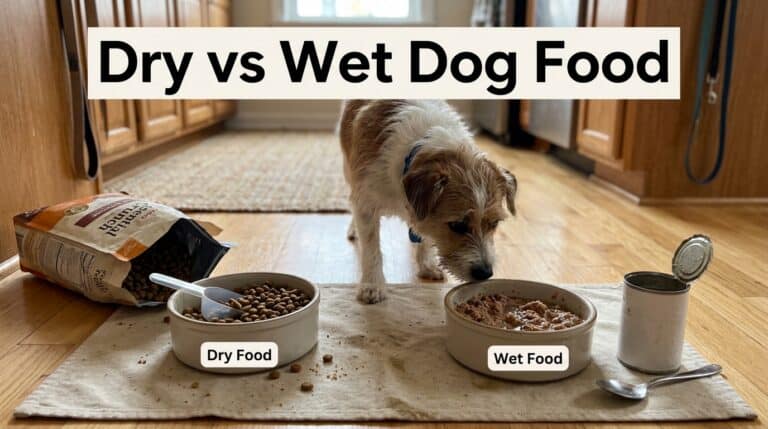
Dry food costs less per calorie, stores easily, and doesn’t spoil quickly once opened. Wet food is more palatable for picky eaters or dogs needing extra moisture, but costs more over time and needs refrigeration once opened. This list doesn’t include fresh subscription foods since they’re not sold as standard Amazon listings, but they’re worth knowing about as a third category if palatability or ingredient minimalism matters a lot to you.
Grain-Free: What’s Actually Known
The FDA began investigating a potential link between grain-free diets and dilated cardiomyopathy in dogs in 2018. The research since then has gotten more nuanced, current understanding points more toward legume-heavy recipes (a lot of peas, lentils, or other pulses) as a possible factor, rather than grain absence itself being the cause. This isn’t settled science in either direction. If your dog doesn’t have a diagnosed grain sensitivity, there’s no blanket reason to seek out grain-free, and if you’re considering it anyway, that’s a good question for your vet, especially for breeds with any known cardiac risk factors.
When to Actually Call Your Vet Before Switching Foods
Any existing health condition, medication, known food allergy, unexplained weight change, or digestive issue is a reason to loop in your vet before changing your dog’s diet, not after. A general buying guide like this one can tell you about AAFCO standards and ingredient quality; it can’t account for your specific dog’s bloodwork, medical history, or a condition your vet is actively managing.
Frequently Asked Questions
How do I know if a dog food is actually “complete and balanced”?
Check the bag for an AAFCO nutritional adequacy statement specifying growth, adult maintenance, or all life stages. Feeding-trial substantiated formulas (tested on actual dogs, not just formulated to meet a nutrient profile on paper) offer an extra level of confidence.
Is grain-free food better for my dog?
Not automatically. Unless your dog has a vet-confirmed grain sensitivity, there’s no blanket reason to choose grain-free, and the FDA’s ongoing investigation into a potential DCM link means it’s worth a conversation with your vet rather than assuming grain-free is the healthier default.
How often should I switch my dog’s food?
There’s no fixed schedule that applies to every dog. A gradual transition (mixing old and new food over 7-10 days) reduces digestive upset any time you do switch, and any switch prompted by a health concern should involve your vet rather than trial and error.
Is wet or dry food better?
Neither is universally better; it depends on your dog’s preferences, dental health, and your budget. Wet food tends to be more palatable and easier to eat for dogs with dental discomfort, while dry food is more cost-effective and convenient long-term.
How do I check if my dog’s food has been recalled?
The FDA’s animal and veterinary recalls page is the authoritative, regularly updated source. It’s worth checking any time you’re buying a new bag, not just when you happen to hear about a recall in the news.
Bottom Line
For a new puppy without breed-specific needs, the Purina Pro Plan Puppy Chicken & Rice covers growth for dogs of any eventual size. For a small-breed puppy specifically, the Royal Canin Small Puppy is tailored to that need. For everyday adult feeding, the Blue Buffalo Life Protection Formula or Hill’s Science Diet Adult 1-6 Small Bites are both solid, AAFCO-compliant choices. For senior dogs, start with Hill’s Science Diet Adult 7+ or its Small Bites version. And if you’re considering a grain-free or premium high-protein option like Orijen or Taste of the Wild, talk to your vet first, especially if your dog’s breed carries any known cardiac risk factors.
Affiliate Disclosure: GearForPet.com participates in affiliate programs. We may earn a small commission if you purchase through our links at no extra cost to you. Read our full disclosure.