
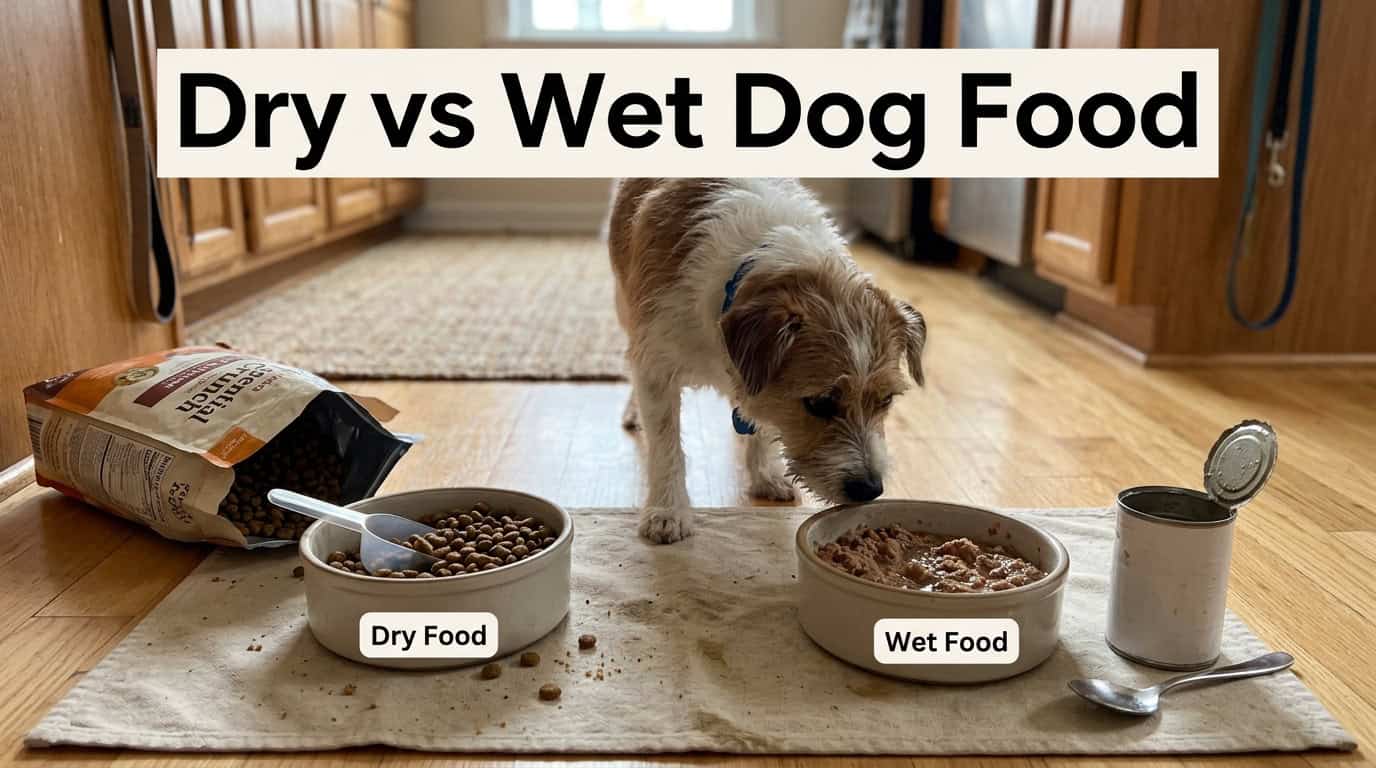
Dry vs Wet Dog Food (2026): Which Is Better for Your Dog?
Most dog owners pick dry or wet food based on habit, price, or whatever the pet store shelf looked like the day they brought their dog home. It is rarely a deliberate decision — and for most healthy adult dogs, that works out fine. But for the dog with recurring urinary crystals being fed dry-only because “kibble is healthier.” For the overweight Labrador whose owner added a wet food topper without adjusting the kibble portion. For the dog with severe tartar buildup whose vet said to switch to dry food — and whose teeth look exactly the same six months later. In each of these cases, the format choice is not a minor detail. Dry and wet food are not interchangeable — they have genuinely different effects on dental health, hydration, weight, and palatability. Choosing the right one starts with knowing what outcome you are actually managing.
Quick Answer -Dry vs Wet Dog Food
Dry vs Wet Dog Food
Neither format is universally better. Dry food is cheaper, more convenient, and longer-lasting after opening. Wet food is better for hydration, palatability, and dogs with kidney, urinary, or appetite challenges. For most healthy adult dogs, a high-quality dry food is perfectly adequate. For dogs with specific health conditions or picky eating habits, wet food or a mixed approach is often the clinically superior choice.
- Choose dry if your dog is healthy, cost is a priority, or you use an automatic feeder
- Choose wet if your dog has CKD, urinary disease, low water intake, dental pain, or is a picky eater
- Choose mixed if you want palatability and hydration benefits without the full cost of wet-only feeding — but always calculate calories first
Dry vs Wet Dog Food — At a Glance
| Feature | Dry Dog Food (Kibble) | Wet Dog Food (Canned/Pouches) |
|---|---|---|
| Moisture content | 10–12% | 75–82% |
| Calorie density | High (300–400 kcal/cup) | Lower (150–250 kcal per 13oz can) |
| Dental impact | Minimal — unless VOHC-approved | None — can increase tartar |
| Shelf life (opened) | 4–6 weeks in airtight container | 3–5 days refrigerated |
| Convenience | Excellent — auto-feeder compatible | Lower — requires refrigeration |
| Monthly cost | $ (most budget-friendly) | $$$ (significantly more expensive) |
| Palatability | Moderate | High — aroma-driven |
| Best for | Healthy adults, budget, travel, auto-feeders | Seniors, kidney disease, picky eaters, hydration |
What Most People Get Wrong About Dry vs Wet Dog Food
Three misconceptions drive most poor feeding format decisions — and all three are worth addressing before the outcome-specific breakdown.
Misconception 1: Dry Food Is Automatically Healthier
Dry food is more convenient and calorie-dense — which is a different thing from healthier. The nutritional quality of a dog food is determined by its formulation, ingredient quality, and AAFCO feeding trial validation — not by its moisture content. A poorly formulated dry food is not better than a well-formulated wet food. For dogs with specific health conditions, wet food is often the clinically superior choice by a significant margin.
Misconception 2: Wet Food Is Junk Food
The “wet food is unhealthy treats” narrative is a holdover from low-quality early canned pet food. Premium wet foods from WSAVA-compliant brands (Royal Canin, Hill’s, Purina Pro Plan) are complete-and-balanced diets that meet the same AAFCO nutritional standards as their dry equivalents. In veterinary clinical settings, wet food is often the therapeutic default — particularly for CKD, urinary disease, and post-surgical recovery.
Misconception 3: Dry Kibble Cleans Teeth
This is the most consequential misconception on this list. Standard dry kibble does not reliably clean teeth. Most kibble shatters on contact before it reaches the gum line where plaque accumulates. The mechanical tartar-reduction effect of standard dry food is minimal and inconsistent across verified studies. The exception — which almost every beginner guide misses — is VOHC-approved dental diets. More on this in the dental section below.
Outcome 1 — Dental Health: The VOHC Distinction You Need to Know
If you are choosing dry food for dental health reasons, the format alone is not enough. Standard dry kibble provides negligible dental benefit for the majority of dogs. The kibble shatters before it can mechanically shear plaque at the gum line — which is where periodontal disease originates. Simply switching from wet to dry will not meaningfully improve your dog’s dental health.
What does work — and what is supported by actual clinical evidence — is kibble carrying the Veterinary Oral Health Council (VOHC) Seal of Acceptance.
🦷 VOHC Seal — What It Means and Why It Matters
The Veterinary Oral Health Council awards its seal only to products that demonstrate plaque or tartar reduction in controlled clinical trials — not just products that claim dental benefits on the label. VOHC-approved kibble (such as Hill’s Prescription Diet t/d) is specifically engineered with an oversized, high-fibre kibble matrix that does not shatter immediately — it forces the tooth to penetrate the kibble, creating a mechanical scrubbing action before the kibble breaks apart. Standard kibble does not do this. When your vet says “feed dry food for dental health,” they should mean VOHC-approved — not any dry kibble.
Wet food provides zero dental benefit and can contribute to faster tartar accumulation due to its softer, stickier texture. If your dog is on wet food for medical reasons (CKD, palatability), pair it with daily tooth brushing and VOHC-approved dental chews to compensate.
The honest dental health hierarchy:
- Daily tooth brushing — the gold standard, nothing else comes close
- VOHC-approved dental chews or dental diet (Hill’s t/d, specific enzymatic chews)
- Water additives with VOHC approval
- Standard dry kibble — minimal benefit, not a reliable dental solution
- Wet food — zero dental benefit
Outcome 2 — Weight Control: Why Calorie Density Changes Everything
Dry kibble averages 300–400 kcal per cup. Wet food averages 150–250 kcal per 13oz can. That gap is significant — and it has practical consequences for weight management that most feeding guides do not spell out clearly enough.
A 30 lb moderately active adult dog requires approximately 750 kcal per day. On a standard dry kibble at 350 kcal/cup, that is roughly 2 cups per day — a small-looking portion that is easy to exceed without realising it. On a wet food at 200 kcal per can, that same 750 kcal is nearly 4 cans — a volume that creates genuine physical satiety and makes overfeeding harder.
Wet food’s 75–82% moisture content adds volume to the meal without adding proportional calories. This is not a trick — it is genuine satiety physiology. The stomach’s stretch receptors signal fullness based partly on meal volume, and wet food exploits this in a way that supports weight management.
For overweight dogs, wet food or a wet-topped kibble approach is often more effective at reducing caloric intake without leaving the dog feeling underfed. The key caveat — addressed in the calorie stacking section — is that wet food only helps weight management if the total daily calorie budget is correctly calculated and maintained across both food types.
When Mixed Feeding Makes Sense
Mixed feeding — combining dry kibble with a wet food topper — is the practical middle ground for most owners who want wet food benefits without the full cost of wet-only feeding. It works well in the right scenarios, but it requires one discipline that most owners skip.
Best use cases for mixed feeding:
- Picky eaters who refuse dry food alone — wet food aroma transforms kibble acceptance
- Senior dogs with reduced appetite — wet topper increases meal palatability without a full diet change
- Dogs transitioning between formats — gradual introduction reduces GI upset
- Owners managing hydration in dogs who drink poorly — wet topper adds meaningful moisture
Mixed feeding is a calorie math problem, not a convenience hack. The most common mixed feeding mistake is adding wet food on top of a standard kibble portion — treating the wet food as a supplement rather than as part of the total daily calorie budget. This produces consistent overfeeding that accumulates into weight gain over weeks. The fix is simple: calculate the total daily calorie allowance first, then divide that number across the dry and wet portions.
Outcome 3 — Hydration, Kidney Disease, and Urinary Health
Dogs are not efficient self-hydrators. Even with constant access to fresh water, dogs on dry-only diets consistently consume less total water than dogs on wet food diets — a finding supported by multiple veterinary nutrition studies. The difference is not trivial: a 13oz can of wet food adds approximately 8–10oz of water to the diet that a dry-fed dog would need to drink voluntarily to match.
For healthy dogs, this difference is manageable. For dogs with kidney disease, urinary crystals, or recurrent urinary tract infections, it is clinically significant.
🩺 Vet Note — CKD and Wet Food
Veterinary renal diets — Hill’s Prescription Diet k/d, Royal Canin Renal Support — are available almost exclusively in wet/canned format, and this is not a coincidence. Wet renal diets simultaneously achieve three CKD management goals that dry food cannot: they increase hydration to support renal blood flow and toxin excretion, they restrict phosphorus (a key driver of CKD progression), and they control protein to reduce uremic toxin load — all while being palatable enough for dogs with reduced appetite due to illness. For dogs with diagnosed CKD, a wet veterinary renal diet is not optional — it is the clinical standard of care. Always follow your vet’s specific formula recommendation.
For dogs with urinary crystals or recurrent UTIs without full CKD, increasing water intake through wet food reduces urinary concentration and crystal formation risk. In many cases, a straightforward switch from dry-only to mixed or wet-only feeding is a first-line management strategy before prescription urinary diets are introduced.
Outcome 4 — Picky Eaters and Senior Dogs
Palatability is driven primarily by aroma, and wet food has a significant aroma advantage over dry kibble — a difference that becomes more consequential as dogs age. Senior dogs experience declining olfactory sensitivity, meaning the same food that was appealing at age 3 may produce a disinterested response at age 10. Wet food’s stronger smell compensates for this sensory decline.
Practical palatability tips:
- Warm wet food slightly before serving — 10 seconds in the microwave (never hot, always test) intensifies aroma significantly and is especially effective for anorexic or recovering dogs
- Add wet food as a topper rather than switching formats entirely — the aroma from even a small amount of wet food on top of kibble transforms acceptance for many picky eaters
- Try a different protein source before concluding a dog is a “picky eater” — many dogs refusing chicken-based kibble will eat lamb or fish-based formulas readily
- Do not interpret reduced appetite as pickiness in senior dogs without ruling out dental pain first — a dog with a fractured molar that winces when eating hard kibble is not being fussy
For senior dogs with dental disease or missing teeth, wet food is the welfare-appropriate choice regardless of other feeding considerations. Hard kibble causes pain in dogs with significant dental disease, and pain at mealtimes produces food aversion that compounds into malnutrition over time.
Nutritional Comparison — Reading Past the Label
Comparing dry and wet food nutritional profiles requires one important adjustment: wet food’s high moisture content makes direct percentage comparisons misleading. A dry food showing 28% protein and a wet food showing 9% protein may deliver nearly identical protein per serving on a dry-matter basis — after accounting for moisture content.
How to compare correctly:
- Note the moisture percentage on the guaranteed analysis (dry: ~10%, wet: ~75–80%)
- Subtract moisture from 100% to get the dry matter percentage (dry food: 90% dry matter; wet food: ~22% dry matter)
- Divide the nutrient percentage by the dry matter percentage and multiply by 100
- Compare the resulting dry-matter-basis values — these are the apples-to-apples comparison
Other key nutritional differences:
- Preservatives: dry food requires chemical or natural preservatives (look for mixed tocopherols, not BHA or BHT); wet food uses retort sterilisation — no preservatives needed
- Sodium: some wet foods are higher in sodium than equivalent dry formulas — relevant for dogs with cardiac disease or hypertension
- AAFCO statement: always check that both formats carry an AAFCO “complete and balanced” statement via feeding trials (not just nutrient formulation) for the relevant life stage
Cost Comparison — Monthly by Dog Size
| Dog Size | Dry Only (est./month) | Wet Only (est./month) | Mixed 75/25 (est./month) |
|---|---|---|---|
| Small (under 20 lbs) | $20–35 | $60–90 | $30–50 |
| Medium (20–50 lbs) | $35–60 | $120–180 | $55–85 |
| Large (50–80 lbs) | $55–90 | $200–300 | $80–130 |
Estimates based on premium brand pricing. Wet-only feeding for large dogs is expensive at scale — mixed feeding is the practical middle ground for owners who want wet food benefits without the full cost.
How to Switch Between Dry and Wet Food Safely
- Calculate your dog’s daily calorie requirement — use your dog’s ideal body weight and activity level. Your vet can provide this number, or use the manufacturer’s feeding guide as a starting point
- Days 1–3: 75% current food / 25% new food — monitor stool consistency and appetite
- Days 4–6: 50% current food / 50% new food — loose stools at this stage mean slow down, not stop
- Days 7–9: 25% current food / 75% new food
- Day 10+: 100% new food
- Monitor for 2 weeks post-transition — stool consistency, coat condition, energy level, and appetite are all reliable indicators of diet suitability
⚠️ Calorie Stacking Warning — Read This Before Mixing Wet and Dry
The most common mixed feeding mistake is adding wet food on top of an unchanged kibble portion. This is not a topper — it is a second meal. If your dog needs 750 kcal/day and you add a 200 kcal wet food portion, the kibble portion must be reduced to 550 kcal to maintain the daily total. Overfeeding by even 10% consistently — around 75 extra kcal/day for a medium dog — produces measurable weight gain within 8–12 weeks. Calculate total daily calories first. Then divide that number across both foods. Never add wet food on top of a full dry food portion.
Practical Decision Matrix — Which Format Is Right for Your Dog?
| Dog Profile | Recommended Diet | Rationale | Quick Tip |
|---|---|---|---|
| Growing puppy | Dry or mixed | Calorie density supports rapid growth | Moisten kibble with warm water for pups under 12 weeks |
| Healthy adult | Dry | Cost-efficient, convenient, nutritionally complete | Measure portions — do not free-feed |
| Senior with CKD | Wet — veterinary renal diet | Hydration + phosphorus control + palatability | Warm slightly to increase aroma for reduced appetites |
| Overweight adult | Wet or mixed | Higher satiety per calorie due to moisture content | Subtract calories correctly — see calorie stacking warning |
| Picky eater | Mixed | Wet food aroma increases kibble acceptance | Keep wet topper to 25% of total daily calories |
| Severe tartar | Dry — VOHC-approved only | Only VOHC kibble provides mechanical plaque shearing | Standard kibble does not provide this benefit — check the seal |
| Sensitive stomach | Wet or mixed | Gentler on inflamed GI tissue | Transition over 10 days minimum — do not rush |
| Urinary crystals | Wet | Increased hydration reduces crystal concentration | Follow vet’s specific diet recommendation for crystal type |
Recommended Products — Dry and Wet Picks

🦴 Top Dry Dog Food Picks
Best Overall Dry — Purina Pro Plan Adult Shredded Blend
No products found.The most consistently vet-recommended mainstream dry dog food available. Purina Pro Plan meets all four WSAVA criteria, uses real chicken as the first ingredient, and adds a shredded tender component that increases palatability significantly over standard kibble. The Shredded Blend is also one of the few mainstream dry foods with consistently positive reviews from owners of picky eaters — a rare combination of clinical credibility and real-world acceptance. The default dry food recommendation for healthy adult dogs without breed-specific dietary needs.
No products found.Check current price on Amazon →
Best Dental (VOHC-Approved) — Hill’s Prescription Diet t/d Dental Care
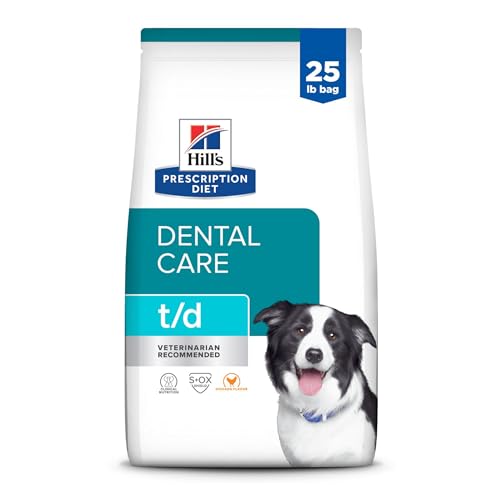
The benchmark VOHC-approved dental diet and the most cited dental kibble in veterinary dentistry. Hill’s t/d uses an oversized, high-fibre kibble matrix that is specifically engineered not to shatter immediately — forcing tooth penetration and mechanical plaque shearing before the kibble breaks apart. Clinically proven to reduce plaque and tartar accumulation. The only dry food on this list recommended specifically for dental health reasons. Requires a veterinary prescription. If your vet has recommended dry food for dental disease, this is what they should mean.

Check current price on Amazon →
Best Budget Dry — IAMS Minichunks Adult
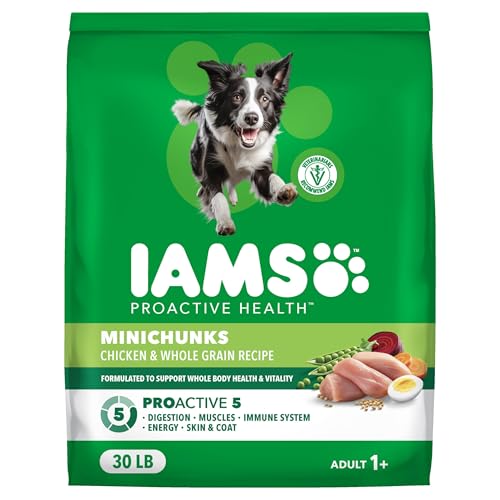
The most credible budget-tier dry dog food for healthy adult dogs. IAMS conducts AAFCO feeding trials — a standard many budget brands skip — and the Minichunks formula uses real chicken as the first ingredient with a digestible carbohydrate profile. Not WSAVA-compliant at the full standard of Royal Canin or Hill’s, but a legitimate complete-and-balanced option for owners where premium brand pricing is not sustainable. Best for part-time pet owners, multi-dog households managing feed costs, and healthy adults with no specific medical requirements.
Check current price on Amazon →
🥫 Top Wet Dog Food Picks
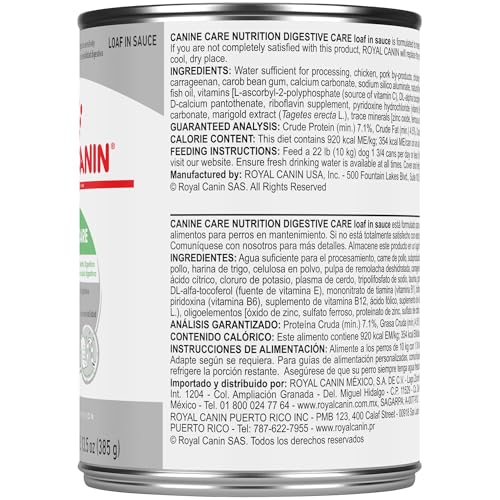
Best Overall Wet — Royal Canin Size Health Nutrition Canned

The most palatable mainstream wet dog food from the most rigorously formulated brand in the size-specific nutrition segment. Royal Canin’s canned line is size-matched to the metabolic and digestive requirements of small, medium, and large breeds — not a one-size label applied to different can sizes. Excellent palatability even for picky eaters. High moisture content for hydration support. The default wet food recommendation for healthy adult dogs where palatability, hydration, or a mixed-feeding approach is the goal.
Check current price on Amazon →
Best for Kidney Disease — Hill’s Prescription Diet k/d
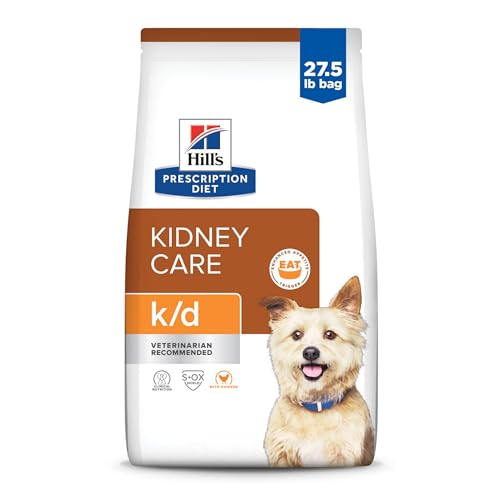
The most clinically validated renal diet in veterinary medicine and the default prescription recommendation for Stage 2–4 canine CKD. Controlled phosphorus and sodium, restricted high-quality protein to reduce uremic toxin load, and omega-3 fatty acids for renal blood flow support. Multiple published studies demonstrate improved survival time in CKD dogs on k/d compared to standard diets. Available in both dry and wet formats — the wet format is preferred for most CKD cases because it simultaneously addresses hydration. Requires a veterinary prescription. Always follow your vet’s guidance on when to initiate renal diet feeding.

Check current price on Amazon →
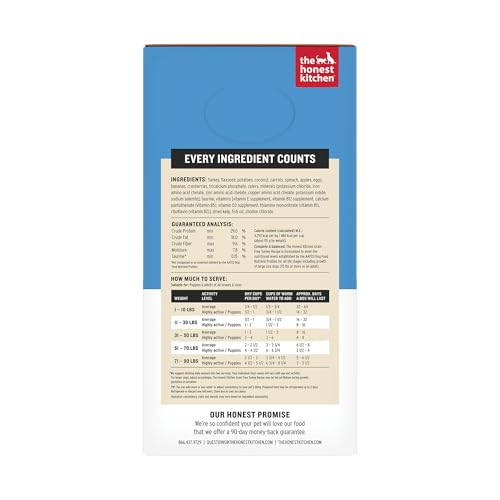
Best Premium Wet — The Honest Kitchen Human-Grade Wet Food
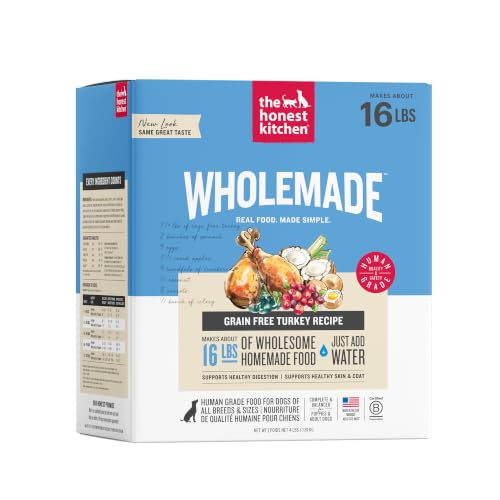
The premium wet food pick for owners who want human-grade ingredients without the cost and complexity of a frozen raw diet. The Honest Kitchen uses whole food ingredients processed at human-grade facilities — a genuine manufacturing standard, not a marketing claim. High palatability, digestible protein sources, and a texture that works well as a standalone wet food or a high-value topper for dogs that find standard canned food insufficient motivation. Best for owners of picky senior dogs, dogs recovering from illness, or owners who want the closest thing to a fresh diet in a shelf-stable format.
Check current price on Amazon →
Frequently Asked Questions — Dry vs Wet Dog Food
Is dry or wet dog food better for dogs?
Neither is universally better. Dry food is more convenient, less expensive, and adequate for most healthy adult dogs. Wet food is clinically superior for dogs with kidney disease, urinary conditions, low water intake, dental pain, or reduced appetite. The right choice depends on your dog’s specific health profile and life stage — not on a general preference for one format over the other.
Can I mix wet and dry dog food?
Yes — but calculate your dog’s total daily calorie allowance first, then divide that number across both foods. Never add wet food on top of a full kibble portion. If your dog needs 750 kcal/day and the wet topper adds 200 kcal, reduce the kibble to 550 kcal. Overfeeding by even 10% daily produces measurable weight gain within 8–12 weeks.
Is wet food better for senior dogs?
Often yes — for three reasons. Senior dogs with declining olfactory sensitivity respond better to wet food’s stronger aroma. Dogs with dental disease or missing teeth may find hard kibble painful. Senior dogs with CKD (common in older dogs) benefit from wet food’s hydration and phosphorus control. Senior dogs without these issues may continue on dry food successfully, but wet or mixed is worth considering from age 8–9 onward.
Does dry food clean dogs’ teeth?
Standard dry kibble provides minimal dental benefit — it shatters on contact before reaching the gum line where plaque accumulates. The exception is VOHC-approved dental diets, such as Hill’s Prescription Diet t/d, which are specifically engineered to mechanically shear plaque during chewing. If dental health is your goal, daily brushing and VOHC-approved products are the evidence-based approach — not standard dry kibble.
Is wet food better for dogs with kidney disease?
Yes — particularly veterinary renal wet diets. Dogs with CKD benefit from increased hydration (wet food adds 8–10oz of water per can), controlled phosphorus to slow disease progression, and restricted protein to reduce uremic toxin load. Hill’s Prescription Diet k/d and Royal Canin Renal Support are both available in wet format and are the clinical standards for CKD management. Always follow your vet’s specific recommendation on formula and timing.
How do I switch from dry to wet dog food safely?
Transition over 7–10 days: 75% dry / 25% wet for days 1–3, 50/50 for days 4–6, 25% dry / 75% wet for days 7–9, then 100% wet from day 10. Monitor stool consistency throughout — loose stools mean slow the transition, not stop it. Calculate total daily calories before switching and adjust portions accordingly. Do not switch therapeutic diet lines without your vet’s guidance.
Final Verdict — The Right Choice by Dog Profile
| Dog Profile | Best Format | Top Pick |
|---|---|---|
| Healthy adult, no specific needs | Dry | Purina Pro Plan Adult Shredded Blend |
| Dental disease / tartar focus | Dry — VOHC only | Hill’s Prescription Diet t/d |
| Budget-conscious owner | Dry | IAMS Minichunks Adult |
| Picky eater or senior dog | Wet or mixed | Royal Canin Size Health Nutrition Canned |
| CKD / kidney disease | Wet — veterinary diet | Hill’s Prescription Diet k/d |
| Premium / human-grade preference | Wet | The Honest Kitchen |
| Overweight adult | Wet or mixed | Royal Canin Canned + calorie adjustment |
For brand-specific comparisons in the dog food category, see Royal Canin vs Hill’s Science Diet and Purina Pro Plan vs Hill’s Science Diet.
Affiliate Disclosure: GearForPet.com participates in affiliate programs. We may earn a small commission if you purchase through our links at no extra cost to you. Read our full disclosure.